Plaster and sanding dust
Fine and white. It stays in the air and smears if you wet it too soon or on a surface that is still green.

Dust
Dust and debris removal is the diagnosis visit: what the dust is, where it is hiding, and whether a wipe will smear it. Plaster dust, sawdust, and tile-cutting grit are not the same mess. We cover England, Scotland, and Wales. Send photos and a postcode on the form or WhatsApp.
Get a quote ↗When to book
Book it when you can see a film on horizontal surfaces after the tools have stopped, or when a first attempt with a household hoover has made the air worse.
Fine and white. It stays in the air and smears if you wet it too soon or on a surface that is still green.
Heavier. It sits on floors and in tracks and usually yields to a proper vacuum without the same smear risk.
Sharp. It scratches baths and glass if it is wiped around rather than lifted first.
Included, and what we will not do
How the work is done
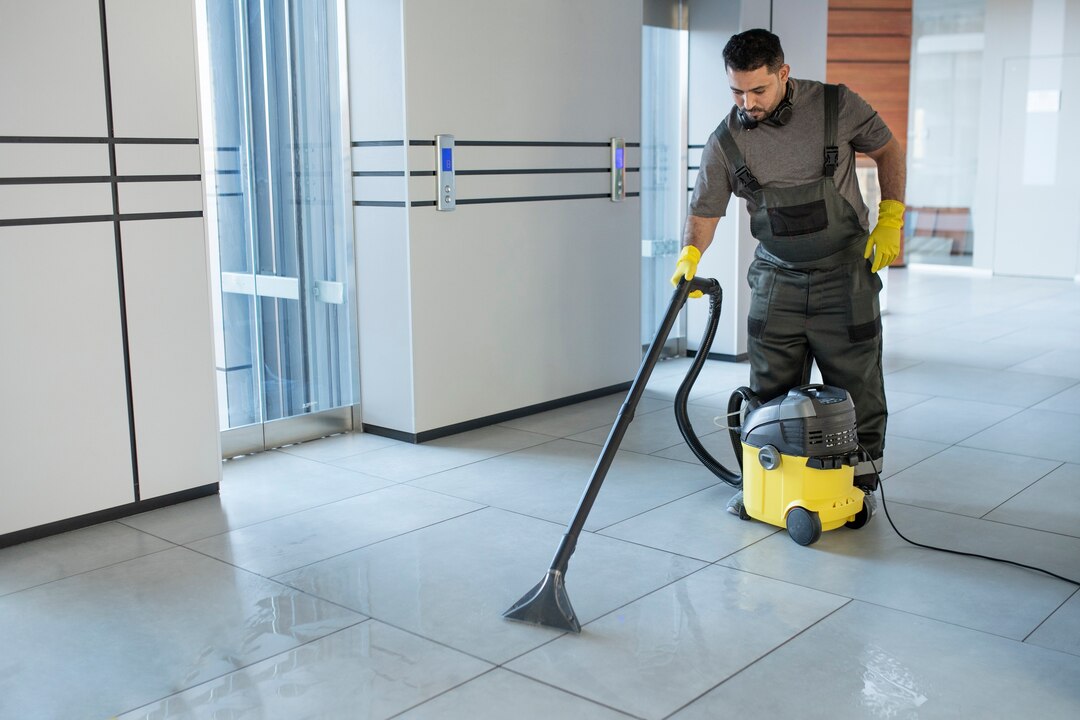
Dry removal first. Plaster dust is vacuumed and then wiped with a barely damp cloth once the bulk is gone. Wet-mopping it first makes a paste that dries back to a haze.
A white line on your finger after you touch a skirting, dust falling out of a radiator when the heating comes on, and a cloudy patch where someone has already wiped in circles.
What changes the quote
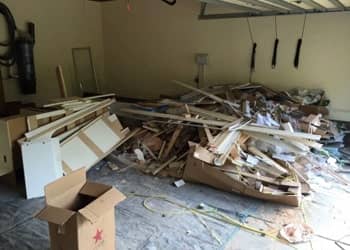
A light film in two rooms is a short visit. Every room after a full re-skim, including inside wardrobes and on top of wall units, is a day or more. The quote asks which trade made the dust.
After the visit
Run the heating only after radiators have been cleaned, or they will throw the leftover dust back out. Change or rinse any filter you used yourself before we arrived if it is clogged with plaster.
A household vacuum with a cheap bag blows this dust out of the exhaust. If that is the only machine you have, stop and book the job rather than redistributing it. Sawdust in one workshop room is the DIY exception.
If the dust keeps returning with no one sanding, it is still inside radiators, tracks, or the tops of fitted furniture. A second wipe of the floor alone will not stop it.
Send the postcode and a few photos. We quote from the rooms and the dust. Use the form or WhatsApp.
The machine is blowing it out, or it is still sitting in radiators and tracks and falling later. Both are common.
Not first. Lift it dry. A wet mop on a thick layer of plaster dust makes a film.
Fine dust is unpleasant and some construction dust is harmful to breathe. We do not remove asbestos. If the building is old and the material is unknown, get it checked before a clean.
Floors last. If the frames and radiators are still dusty, the floor will not stay clean.
Tell us the rooms, what the trades have just finished, and when you need the site. Photos help.

